by Debbie Bonge | May 2, 2018 | Water Contamination, Water Quality, Water Treatment Products, Whole House Water Filtration
One of the top reasons why homeowners choose to install residential water filtration systems is to protect the health of their families. Since filtering your water can decrease your risk of developing serious and chronic illnesses, you might also think that...

by Debbie Bonge | May 2, 2018 | Water Contamination, Water Quality, Water Treatment Products
Tannins are a form of decayed organic matter (primarily from vegetation) that dissolve into water. They are commonly found in lakes and rivers, as well as in swampy or marshy areas. Today we’re going to talk about how tannins can get into your home’s tap...

by Debbie Bonge | May 2, 2018 | Water Contamination, Water Quality, Water Treatment Products, Whole House Water Filtration
Water softeners rely on resin beads to remove hardness minerals from your water. As a result, the effectiveness of your water softener depends largely on the condition of those beads. Unfortunately, water that’s high in chlorine can damage resin beads and greatly...
by Debbie Bonge | May 2, 2018 | Water Quality, Water Treatment Products, Whole House Water Filtration
Some of the most damaging tap water contaminants are too small for the naked eye to see. In order to get a general idea of your water quality, these tiny contaminants are often grouped into a measurement known as total dissolved solids. Today we’re going to talk...
by Debbie Bonge | May 2, 2018 | Water Contamination, Water Quality, Water Treatment Products, Whole House Water Filtration
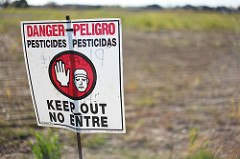
Whereas some water contaminants are known simply by their names (iron, arsenic, lead, sulfur, etc.), others are known by the group of related contaminants that they are a part of. Volatile Organic Chemicals are an example of the latter category, and they can be a...

by Debbie Bonge | May 2, 2018 | Water Contamination, Water Quality, Water Treatment Products, Whole House Water Filtration
There are many different types of water contaminants, and each one can affect different types of people in different ways. One type of contaminant that is particularly problematic for infants and pregnant women is nitrates. Today we’re going to talk about how nitrates...