by Debbie Bonge | May 2, 2018 | Water Quality, Water Treatment Products
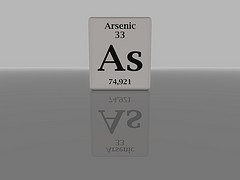
If you follow current events in water quality, one contaminant that you’re sure to come across at some point is arsenic. Because this is such a growing concern, many homeowners are curious about where arsenic comes from and what effects it has on our bodies. So today...
by Debbie Bonge | May 2, 2018 | Water Contamination, Water Quality, Water Treatment Products, Whole House Water Filtration
Many homeowners come to us because they notice strange tastes, odors or colors in their home's tap water. These are obvious signs of water contamination, and we offer many different products that will make tap water look, smell and taste just right. But what...

by Debbie Bonge | May 2, 2018 | Water Quality, Water Treatment Products, Whole House Water Filtration
Water quality is about more than just chemicals and contaminants. Your water’s pH levels, for example, can have a big effect on the safety of the water you use in your home. Today we’re going to talk about the effects of low and high pH levels in water and what you...
by Debbie Bonge | May 2, 2018 | Water Quality, Water Treatment Products
Drinking water in the United States is regulated by a law called the Safe Drinking Water Act. With this law in place, many homeowners wonder why water in the Carolinas still suffers from quality issues. So today we’re going to talk about what the Safe Drinking Water...

by Debbie Bonge | May 2, 2018 | Systems, Water Contamination, Water Quality, Water Treatment Products, Whole House Water Filtration
Did you know that some water contaminants are more dangerous to our health when we breathe them in than they are when we drink them? This makes water quality an important issue not just for our drinking water, but also for the water that we use for showering. Today...
by Debbie Bonge | May 2, 2018 | Water Quality, Water Treatment Products, Whole House Water Filtration
There are many different diets out there, and people will offer all sorts of different (and often conflicting) advice about how to lose weight. But one thing that is common in almost any type of weight loss plan is the suggestion to drink more water. This isn’t...